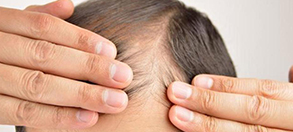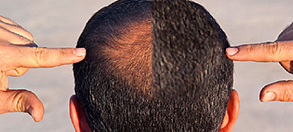
Hair loss is a condition that affects millions of men and women across the country and can greatly influence confidence. (1) While topical treatments and oral medications can slow hair loss or stimulate mild regrowth, hair transplants remain the most reliable and lasting method to restore hair density. Modern techniques like Follicular Unit Extraction (FUE) (or Follicular Unit Excision) have made hair transplantation a refined approach with different variations, including the No-Shave (long hair) FUE and the conventional FUE, which we will discuss in more detail in this article.
Dr. Goran Jezic and his team at Houston Hair Transplant Center (HHTC) in Texas customize every transplant to achieve full and natural results for men and women. His clinic offers both No-Shave (long hair) FUE and conventional FUE to accommodate different hair loss and hair restoration concerns.
To learn more, contact HHTC online or call (713) 864-2300 to schedule your consultation.
About Conventional FUE
Conventional FUE, or shaven FUE, is the most common form of FUE. To perform this approach, the doctors/clinicians will shave both the donor and recipient areas prior to the procedure. This provides optimal visibility and access, allowing for efficient and accurate graft harvesting and placement. The team then extracts individual follicular units from the donor area, typically the back or sides of the scalp, using a micro-punch device. They then precisely implant the follicles into the balding regions. (2)
Conventional FUE allows for larger sessions that can include thousands of grafts. This makes it an excellent choice for patients with significant hair loss. While the donor area will be visible initially, results continue to improve as new hair grows in over time.
About No-Shave (Long Hair) FUE
No-Shave (long hair) FUE is a specialized variation of the FUE hair transplant that enables patients to undergo treatment without shaving the donor area. (3) For this procedure, we only trim the follicles necessary for extraction to the necessary length. This allows us to keep the surrounding hair at a normal length, concealing both the donor and recipient sites.
Just like in traditional FUE, we place the harvested follicles into the recipient area with a micropunch tool. Because the donor area remains mostly unshaved, patients can return to work and social settings more quickly without noticeable signs of surgery. No-Shave FUE is ideal for those with professional or public-facing roles who prefer to conceal signs of hair transplants. The hair continues to grow normally, and transplanted follicles begin producing new strands naturally in the following months.
This innovative technique combines the precision of FUE with the privacy that many patients desire, giving natural coverage both during and after the healing process.
Benefits of FUE Hair Transplantation
Both No-Shave and conventional FUE procedures offer several shared benefits for patients seeking permanent and natural hair restoration because each treatment:
- Restores natural-looking density and coverage
- Avoids linear scars associated with older techniques
- Uses advanced micro-punch tools for minimal trauma
- Provides long-lasting results with continued hair growth
- Allows flexibility for different hair types and loss patterns
- Delivers discreet recovery, especially with No-Shave FUE
- Boosts confidence and self-image
Ideal Candidates
Not every patient requires the same approach to achieve their ideal outcome. Determining whether No-Shave or conventional FUE is right for you depends on your hair loss pattern, available donor hair, and personal preferences. You may be a good candidate if you meet the following criteria:
- Have mild to moderate hair thinning or baldness
- Have adequate donor hair on the back or sides of the scalp
- Prefer discreet recovery and few visible signs of surgery
- Are willing to follow post-procedure care instructions closely
- Have realistic expectations about growth timelines and outcomes
- Are in good general health with no untreated scalp conditions
Your candidacy will be determined during a personal consultation, but reviewing this list might give you a good idea of what you can expect.
Personal Consultation
Every HHTC hair transplant begins with a detailed consultation. During your appointment, Dr. Jezic and his clinicians will evaluate your scalp, assess donor hair density, and discuss your aesthetic goals. They will explain the advantages and limitations of both No-Shave and conventional FUE, helping you make an informed decision. In the end, you will leave this consultation with a personalized treatment plan.
Call (713) 864-2300 or contact the HHTC team online to schedule this consultation and begin your hair restoration journey. Dr. Jezic and his team also offer virtual consultations for patients from out of the area or with busy schedules.
Preparation and Procedure
Preparing for either No-Shave or conventional FUE involves simple steps to ensure optimal results. Patients should avoid alcohol, smoking, and blood-thinning medications for several days prior to surgery. Dr. Jezic will provide personalized guidelines, including washing your hair and eating a light breakfast the morning of your procedure.
During the procedure, the HHTC team utilizes local anesthesia to ensure patient comfort. Our medical team extracts hair follicles one by one and implants them into targeted areas of the scalp. The process can take several hours, depending on graft count and desired density. No-Shave FUE requires additional precision to navigate between longer strands, while conventional FUE proceeds faster due to the fully shaved surface.
Recovery and Results
Recovery after both procedures is relatively quick. Most patients return to work within a few days. Mild redness or tiny scabs in the donor and recipient sites fade within the first week. With No-Shave FUE, the long hair hides most of these signs.
New hair begins to appear around the three-month mark, with continued improvement through the first year. Once growth stabilizes, the transplanted follicles will behave like natural hair.
Which Approach is Right for Me?
Choosing between No-Shave (long hair) and conventional FUE hinges on your priorities, schedule, and desired level of visibility. If you prefer to keep your hair long, return to work quickly, and avoid visible signs of surgery, No-Shave FUE may be the best option. It is particularly popular among women and professionals who want a subtle transformation without downtime.
If you want to restore larger areas of hair loss, reduce procedure time, or achieve maximum graft coverage in one session, conventional FUE may be more appropriate. This method harvests more grafts efficiently while ensuring consistent density and precision. During your consultation, the HHTC team will help you decide based on your unique hair characteristics and restoration goals. Regardless of which method you choose, you can expect natural, seamless, and enduring results.
Cost of FUE Hair Transplants in Houston, Texas
The cost of FUE procedures varies based on several factors, including the number of grafts, the technique, and the complexity of the restoration. No-Shave FUE typically requires more time, skill, and precision, which can influence the total cost. Conventional FUE may offer a lower cost per graft for larger sessions. The HHTC team will provide a detailed price estimate during your consultation.
Schedule your consultation today to explore your FUE treatment options. If you have any questions or prefer to schedule over the phone, please call our Houston office directly at (713) 864-2300.
FAQ
Is No-Shave (long hair) FUE suitable for both men and women?
Yes. Both male and female patients who want to maintain their current hairstyle and conceal signs of surgery make great candidates for this approach. It may be easier to conceal signs of the procedure if you have longer hair.
Does No-Shave FUE hurt more than conventional FUE?
No. Both techniques use local anesthesia to ensure comfort throughout the procedure. Most patients report minimal discomfort and a quick recovery.
How long before I see my FUE results?
New hair growth usually begins around three months after surgery, with visible improvement at six months and full results within a year. A hair transplant requires a lot of patience, and we let our patients know what to expect far in advance.
Which FUE hair transplant method provides the best results?
Both methods can produce equally natural outcomes. The choice depends more on your preferences regarding appearance and recovery. If you are unsure what variation of the procedure you want to undergo, we invite you to attend a personal consultation where we can help guide you through the process.
How do you choose a hair transplant surgeon?
We encourage anyone considering a hair transplant to do their own research before proceeding with any one surgeon. You should check medical backgrounds, education history, patient testimonies, and before and after photos. Dr. Jezic is a highly experienced and renowned hair transplant doctor in Houston, and would be happy to evaluate your case to see if you are a good fit for a hair transplant. He will recommend which FUE technique is most optimal for you.
References
- Peyravian N, Deo S, Daunert S, Jimenez JJ. The Inflammatory Aspect of Male and Female Pattern Hair Loss. Journal of Inflammation Research. 2020;Volume 13:879-881. doi:https://doi.org/10.2147/jir.s275785
- Kerure AS, Deshmukh N, Agrawal S, Patwardhan NG. Follicular Unit Extraction [FUE] – One Procedure, Many Uses. Indian Dermatology Online Journal. 2021;12(3):381-388. doi:https://doi.org/10.4103/idoj.IDOJ_522_20
- Umar S, Khanna R, Gonzalez A, et al. No-Shave Long Hair Follicular Unit Excision Using an All-Purpose Skin-Responsive Device. Clinical, cosmetic, and investigational dermatology. 2023;Volume 16:3681-3691. doi:https://doi.org/10.2147/ccid.s442822