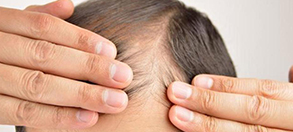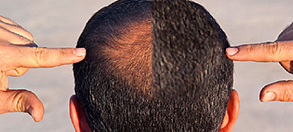
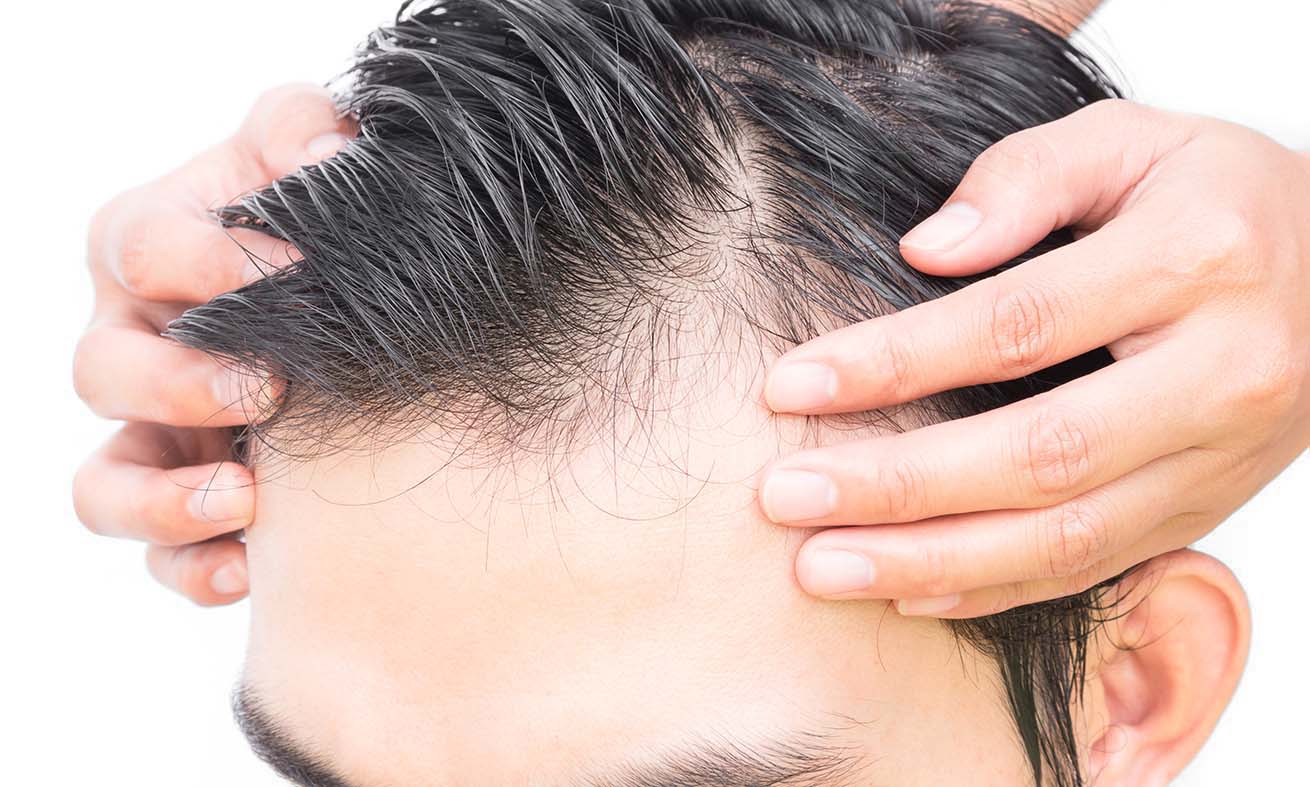
An Asian hair transplant is a specialized procedure that restores hair regrowth in patients of Asian descent. This procedure addresses concerns such as thinning or shedding while specifically accounting for the distinctive characteristics of Asian hair.
Houston Hair Transplant Center is one of Texas’s leading hair restoration clinics. Dr. Goran Jezic, a double board-certified specialist, leads our team of experienced hair transplant specialists and clinicians who can transplant up to and exceeding 4,000 grafts (nearly 10,000 hairs) in just a single session. Moreover, they can also harvest hair from your beard, chin, chest, and body in case you lack adequate donor hair. To meet with our team, please request a consultation online. You may also call (713) 864-2300 to reach our Houston office directly.
Contents
About Asian Hair Transplants
An Asian hair transplant is a procedure that can restore thicker and denser hair growth in Asian patients to restore lost hair. Hair loss is a common condition affecting millions of patients worldwide, with the most common form being androgenetic alopecia. This condition is highly prevalent in Asian populations, with reported incidences of up to 73% among the general population. (1)
About Asian Hair
Each ethnic group’s hair possesses different qualities and characteristics, and Asian hair is no exception. Many people know Asian hair for being straight and either brown or black in color, but it also holds several structural and property differences, such as:
- A Thicker Cuticle Layer: Within the hair shaft itself, Asian hair has a higher number of cuticle layers protecting its center, as well as thicker cuticle layers, steeper cuticle inclination, and wider cuticle intervals than both African and Caucasian hairs. (2)
- A Greater Cross-Section: Asian hair also has the most circular cross-sectional shape and the lowest hair curvature compared to other ethnicities, contributing to its straight appearance. (2)
- Faster Growth Rates: Asian hair has one of the fastest growth rates among all other hair groups. (2)
- Stronger Strands: Asian hair has higher levels of hardness and elasticity, making it less prone to breakage and damage. (2)
Candidates
You may be a suitable candidate for an Asian hair transplantation if you are of Asian descent and have started seeing signs of visible hair loss. These can include a receding hairline, a widening part, or noticeable thinning and shedding. You should be physically healthy and hold realistic expectations regarding the results of your procedure. It is also important that you are a non-smoker or willing to quit nicotine. Our clinical team will determine your treatment eligibility during your consultation.
Personal Consultation
Our clinical team prefers that you attend a personal, in-clinic consultation before undergoing your hair transplant. During this complimentary consultation, one of our hair transplant specialists will meet with you individually and perform a trichological assessment using the most advanced TrichoLab hair diagnostic technology from Germany. They will explain what an Asian hair transplant is and what makes this procedure unique. They will review your medical history, personal concerns, and goals, and assess your scalp’s health and condition.
Using this information, they will establish the details of your treatment plan. By the time you leave this consultation, you will feel confident about your hair loss diagnosis and have a treatment plan that delivers your unique goals.
If you are ready to schedule your consultation, please contact us online or call (713) 864-2300.
Preparation
After scheduling your procedure, you will need to make certain preparations to ready yourself and your scalp. A member of our clinical team will give you a set of detailed instructions, which may include:
- Avoiding Certain Medications: Your doctor may advise you to stop taking any blood-thinning medications or supplements for 1-2 weeks before and after your procedure. Do not stop any medications without consulting your doctor.
- Preparing a Ride: Ask a trusted friend or family member to drive you home after your hair transplant procedure.
- Arranging Time Away: Prepare to take at least a couple of days away from your professional and personal commitments and responsibilities. You can work from home for a few days if possible.
- Filling Your Prescriptions: Before your hair transplant, pick up any medications that our doctor may have prescribed for your recovery.
- Avoiding Substances: Cease the consumption of alcohol and nicotine a few days before your procedure.
- Resting: Eat a light breakfast the morning of your procedure and get a good night’s sleep the night before your hair transplant.
Asian Hair Transplant Procedures
At HHTC, we offer several different types of hair transplants to address the distinct concerns and hair loss patterns of all patients. During your consultation, our clinical team will determine which procedure, or combination of procedures, is most effective for your concerns.
FUE
Follicular unit extraction (FUE), also known as Follicular Unit Excision, is a minor surgical procedure that can restore a fuller look to areas of the scalp experiencing hair loss. This procedure involves using a circular punch tool to remove healthy hair follicles from the back or sides of the scalp and transplanting them to thinning areas. Our team can perform up to and exceeding 4,000 grafts (nearly 10,000 hair) per session. Because our specialists individually extract the individual follicular units rather than making a linear incision, you will not need to worry about any linear scarring after your treatment session. (3)
Facial Hair Transplant
Our clinical team can perform a facial hair transplant to restore hair to your beard, mustache, and eyebrows. During this procedure, Dr. Jezic and his team of hair transplant clinicians and technicians will use advanced FUE technology to perform your beard, mustache, or eyebrow hair transplant. Facial hair transplants focus on achieving softer, more natural results that accentuate your facial features and repopulate your facial hair growth.
Hybrid Hair Restoration
Hybrid hair restoration combines surgical hair transplantation techniques with non-surgical procedures and treatments to achieve fuller, more comprehensive results. Typically, our clinical team pairs FUE hair transplantation procedures with prescription-based topicals, autologous conditioned plasma (ACP), cellular micrografting, and/or Exos to further stimulate new, thicker hair growth. They can tailor this treatment according to your unique scalp health and hair growth needs.
Follicular Unit Transplant (FUT)
For patients who are not candidates for an FUE hair transplant procedure or those who’ve had a previous FUT hair transplant and/or need a scar revision, our clinicians can perform an FUT procedure and revise the prior scar. FUT is also suitable for women who do not wish to shave their donor area.
No Shave FUE
For those who do not want to shave their donor area, our clinicians can perform a shaveless, long-hair FUE procedure. However, the number of grafts for these types of procedures is limited.
Non-Surgical Hair Restoration
Non-surgical hair restoration includes several non-surgical treatments that slow the signs and symptoms of hair loss while simultaneously promoting new hair growth. These treatments include cellular micrografting, exos, autologous plasma, different injectables, topical compounds, serums, medications, medical-grade hair products, laser hair therapy, and more.
Recovery
Your recovery timeline will vary depending on the type and extent of the procedure you undergo, although most HHTC patients return to their routines fairly quickly. You may experience some initial redness, swelling, or tenderness around the treated areas. These effects are temporary and will subside on their own with time, but you can also manage them with prescribed medications and plenty of rest.
As you heal, you will notice a crust forming on the transplanted hairs, and some may shed. Do not pick at this, as this is a normal part of the healing process that needs to resolve on its own.
You can return to most of your daily activities after resting for approximately two days. However, you will need to follow certain guidelines to help your scalp heal properly. These may include directions such as avoiding harsher hair products, refraining from picking scabs, and others.
Results
Your Asian hair transplant results will develop over time, with most patients experiencing their full results after approximately 6 to 12 months. (4) Your hair will appear thicker and healthier, accentuating your natural features. You may notice improvements in your sense of self-esteem and self-confidence after seeing your new hair growth.
The longevity of your results will depend on the type of procedure you underwent. Those who undergo a surgical hair transplant will generally enjoy permanent results. Once the hair grafts take root in their new location, they will grow naturally, and patients can style, cut, and dye as they please. However, those who underwent a non-surgical treatment may need to return for ongoing maintenance.
Cost of Asian Hair Transplants in Houston, Texas
The cost of your Asian hair transplant will vary depending on the details of your procedure, such as the size of the treatment area and the number of grafts. After meeting with you in person and establishing your treatment plan, your hair transplant specialist will give you a comprehensive price estimate.
To learn more about the cost of your hair transplant, please request a consultation online or call (713) 864-2300.
FAQ
How do you transplant Asian hair?
Our clinical team can perform several different types of hair transplant procedures for those of Asian descent. They primarily perform variations of FUE hair transplantation, as this approach offers patients natural-looking results with minimal scarring.
How many hair grafts will I need for my hair transplant?
The number of grafts used varies depending on the size of the treatment area and the extent of your hair loss. Once a specialist evaluates your scalp condition, they will discuss what to expect.
Can Asian hair transplants restore facial hair?
Yes, our clinical team can transplant hair to your mustache, beard, or eyebrows to restore a fuller and denser look.
Are there any options for non-surgical hair restoration?
We offer several non-surgical options to help you restore your hair growth. These include treatments such as autologous conditioned plasma, the Laser Cap, cellular therapy, topical compounds, exos, and medicated hair products. If you are interested in a non-surgical treatment, we recommend discussing your preferences during the consultation.
References
- Lee WS, Lee HJ. Characteristics of Androgenetic Alopecia in Asian. Annals of Dermatology. 2012;24(3):243. doi:https://doi.org/10.5021/ad.2012.24.3.243
- Leerunyakul K, Suchonwanit P. Asian Hair: A Review of Structures, Properties, and Distinctive Disorders. Clinical, Cosmetic and Investigational Dermatology. 2020;Volume 13:309-318. doi:https://doi.org/10.2147/ccid.s247390
- Sharma R, Ranjan A. Follicular Unit Extraction (FUE) Hair Transplant: Curves Ahead. Journal of Maxillofacial & Oral Surgery. 2019;18(4):509-517. doi:https://doi.org/10.1007/s12663-019-01245-6
- Goldin J, Zito PM, Raggio BS. Hair Transplantation. Nih.gov. Published August 2, 2025. https://www.ncbi.nlm.nih.gov/books/NBK547740/#article-22486.s5