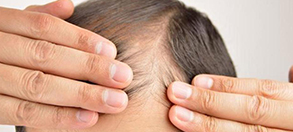
A bad hair transplant can deliver an unnatural appearance, inadequate growth, excessive donor damage, or avoidable complications. Poor hair transplant results often stem from warning signs that are present before your procedure. Before choosing a clinic, evaluate the surgeon’s credentials and involvement, the thoroughness of the treatment plan, the credibility of patient before-and-after photos, and the quality of post-operative care.
Fortunately, at Houston Hair Transplant Center, we refuse to take shortcuts and strive to produce the best results possible for each patient.Dr. Goran Jezic and our highly skilled clinical team bring more than 15 years of specialized hair transplant experience to patient care, education, and aftercare. By taking the time to assess each individual, they design a tailored treatment plan suited to each unique patient’s goals and post-operative needs.
To learn more about your hair transplant options, contact our Houston office online or call (713) 864-2300.
About Bad Hair Transplants
A bad hair transplant creates an unnatural appearance, causes physical complications, and permanently damages the scalp’s donor area and possibly the recipient area. A hair transplant is not successful just because some grafts grow. Hairline, density, direction, donor preservation, and long-term appearance must all work together.
Hair transplants are widely sought after, but they do not come entirely without risk. In fact, bad hair transplants occur more often than most people realize. If you are considering a hair transplant, you need to understand what can go wrong and how to protect yourself from long-term disappointment. (1)
Signs of a Bad Hair Transplant
A bad hair transplant can display evident aesthetic and functional warning signs, including:
- No Growth After One Year: Initial shedding, or shock loss, is expected within the first few weeks, but true permanent hair growth should appear by months four to six. If no new hair grows after twelve months, the grafts have likely failed.
- Patchy or Sparse Density: Grafts that fail to take root leave thin spots, uneven coverage, or empty gaps along your scalp.
- Unnatural-Looking Hairline: A hairline that appears overly straight, unsymmetrical, or too low indicates poor procedural planning.
- Doll-Like or Pluggy Appearance: Instead of placing individual, fine follicles to the hairline, large clusters of hair are placed in the hairline that create an artificial look.
- Hair Growth in Wrong Direction: Hair follicles that grow in awkward or random directions
- Excessive Scarring: Wide linear scars from a Follicular Unit Transplantation (FUT) or patchy thinning in the donor area from a Follicular Unit Extraction (FUE) overharvesting signal that poor technique was utilized.
- Persistent Infection or Pain: If you have symptoms of scalp necrosis or experience ongoing discharge, pain, or raised bumps, it suggests the scalp is infected, or the follicles were placed too deep. (1)
Why Hair Transplants Go Wrong
Hair transplants can go wrong for many reasons, often due to inexperienced surgeons and hair transplant techs, poor planning, and improper graft handling. When unqualified hair transplant doctors extract too many grafts from the back or sides of the head (also referred to as overharvesting), it can leave the donor area permanently patchy and thinned, with a “moth-eaten” appearance. Continued hair thinning around the transplanted areas can occur if the procedure is performed on a patient with an active scalp condition or unstabilized hair loss. Low graft survival rates are also a common cause of hair transplant failure. If untrained technicians handle hair follicles roughly, leave them out of protective storage solutions too long, or expose them to too much air, they can be damaged and die before or during implantation. A common occurrence is graft transection where the root of the graft is damaged, partially or fully, during the harvesting and extraction process. Other complications that can occur following the procedure are necrosis (due to lack of oxygen and blood supply) in the recipient area and/or infection and scarring.
Apart from the procedure itself, complying with pre-op instructions is crucial as these are a prerequisite to having a good, safe and successful hair transplant procedure. Avoiding alcohol and drugs, smoking, certain medications, getting enough sleep, a light breakfast and other factors are important. Patient aftercare is another major cause of hair transplant failure. Neglecting your doctor’s postoperative recovery instructions, such as scratching your scalp, exercising prematurely, or smoking, can cause infections, graft discoloration, permanent scarring, and other serious complications. (1)
Red Flags to Watch for Before a Hair Transplant
Many people seeking a hair transplant begin their research online, often using clinic websites and social media to compare clinics. However, polished photos and testimonials alone do not establish the medical team’s qualifications or answer critical questions about donor limitations, long-term planning, and procedural risks. Before you choose a clinic, look beyond its online presentation and watch for the following red flags: (2)
Unclear Credentials or Surgical Roles
It can be a serious safety concern if the medical team’s credentials and specific hair-transplant experience are difficult to confirm. It is common for a prominent credentialed hair transplant physician to briefly meet you for your consultation and then leave assistants to handle critical permanent steps of cutting and planting your hair grafts. This bait-and-switch tactic can leave you with dangerous, poor results that are difficult to correct. If your research leaves important questions about the practice’s qualifications or standards of care unanswered, consider another practice. (3)
A Rushed, One-Size-Fits-All Evaluation
An evaluation indicates a one-size-fits-all approach if your surgeon recommends a procedure without thoroughly assessing your donor supply and hair loss pattern. If the clinic cannot explain vital information like how its proposed graft count or hairline fits your individual needs, it can lead to poor results and permanent damage to your limited donor hair. Underestimation or overestimation of grafts is quite common amongst unqualified and inexperienced hair transplant doctors. A thorough evaluation considers what your donor supply can support and whether the proposed plan is appropriate for you over the long term. (2)
Unrealistic Promises and Sales Pressure
Unethical hair transplant clinics use high-pressure sales tactics such as pushing you to pay a deposit on the spot or book your procedure immediately without proper evaluation. They also often make misleading claims or exaggerated promises that pressure patients toward ill-suited procedures. More affordable pricing or discounted offers do not automatically signal a poor-quality hair transplant; the main red flags are aggressive sales tactics and a lack of transparency. (2)
Misleading Before-and-After Photos
Hair transplant before-and-after photos can be manipulated with different lighting, camera angles, or stylistic tricks to fake high density. Photos with early recovery timelines or no dates are misleading and make comparisons difficult. To ensure you are looking at authentic photos, ask for the patient’s graft count, timeline, and hair loss classification.
Unclear Aftercare and Follow-Up
Another warning sign is when the practice cannot clearly explain its postoperative instructions, follow-up support, or who handles post-procedure medical concerns. Before your hair transplant procedure, you should know what aftercare to expect and how your ongoing care will be managed. (3)
Contracted Hair Transplant Techs
Another warning sign is when the practice does not have dedicated hair transplant staff or techs because it is their side business or they don’t have enough patients. They rely on contracted hair transplant technicians who fly in and out from around the country and will not be around for your follow-up care or to answer to any issues that may have occurred as a result of their work.
Unlimited Graft Promises
Avoid hair transplant mills that promise unlimited grafts. These clinics tend to start and stop at a certain time during the day regardless of the graft count.
Automated or Robotic Technologies
These tend to limit graft counts and have difficulty harvesting grafts on the curved sides of the head. Also, they don’t work well with wavy or curly hair.
In general, be wary of vague or broad, generalized assessments of your hair loss and treatment plan.
Personal Consultation
Scheduling a consultation with Dr. Jezic and his clinicians is the first step in your health and long-term appearance. During your consultation, Dr. Jezic will review your medical history, including any family history of genetic baldness, when your hair thinning started, and any other previous, non-surgical treatments you have tried.
He and his clinical team will then conduct a thorough evaluation of your scalp and donor sites. They will inspect the back and sides of your head to measure hair density, follicle strength, and scalp laxity. He will also analyze your unique hair traits and whether you have enough healthy donor hair to perform the procedure. After determining whether you are an ideal candidate, Dr. Jezic and his clinician will provide a customized treatment plan, design your appropriate hairline, and estimate the number of grafts needed.
They will guide you through your treatment plan, outlining what to expect during the procedure, recovery timeframe, potential risks, and pricing. As a double-board-certified specialist, Dr. Jezic prioritizes patient education, transparency, and compassionate care so you can feel empowered and fully informed about your hair transplant journey.
Cost of a Hair Transplant in Houston, Texas
The cost/price of a FUE hair transplant depends on several factors, including the number of grafts needed, the technique used, and other considerations.Houoston Hair Transplant Center (HHTC) offers 0% Easy Payment Plans through multiple patient finance companies to those who qualify. Once your treatment plan is established, you will receive a comprehensive price quote during your consultation.
Bear in mind that unscrupulous hair transplant clinics price per follicle to make it appears that their price is lower. At HHTC, the pricing is based on graft. Each graft consists of 1 to 3 hair follicles. Therefore, a typical 2,500 graft hair transplant procedure at HHTC would yield 5,000 hair follicles. Be sure to compare apples to apples and not get deceived.
To learn more about the cost of your FUE hair transplant, contact our Houston office online or call (713) 864-2300.
FAQ
When can you tell whether a hair transplant has failed?
Final hair transplant results typically become visible 12 to 18 months after the procedure. A transplant is considered a true failure if growth or hair density remains substantially lower than expected after this full timeframe. Additional signs of a failed hair transplant may include early warning signs such as tissue necrosis or infection soon after the procedure.
Does donor hair grow back after a Follicular Unit Extraction (FUE)?
No, the hair follicles extracted during an FUE procedure do not grow back because the entire follicle, including the root and surrounding tissue, is permanently removed from the donor site and placed into a thinning or balding area. However, surrounding hairs conceal the small extraction points, so most patients find the donor site continues to look full, since only a conservative portion of overall hair density is harvested.
What should I do if I am unhappy with a previous hair transplant?
If you are dissatisfied with a previous hair transplant, it is best to wait for the full 12 to 18-month growth cycle to complete before taking action. Once that period has passed, schedule an evaluation with Dr. Jezic and his clinicians to review the original procedure, identify the root cause, and discuss potential corrective options.
References
- Kerure A, Patwardhan N. Complications in Hair Transplantation. Journal of Cutaneous and Aesthetic Surgery. 2018;11(4):182. doi:10.4103/jcas.jcas_125_18
- AHLA. Red Flags When Researching Hair Transplant Clinics Online: How to Recognize Risk before Surgery. American Hair Loss Association. May 6, 2026. Accessed September 8, 2026. https://www.americanhairloss.org/red-flags-when-researching-hair-transplant-clinics-online-how-to-recognize-risk-before-surgery/
- Editorial Staff. Consumer Advocacy. ISHRS. August 28, 2017. Accessed September 8, 2026. https://ishrs.org/patients/consumer-advocacy/