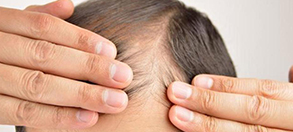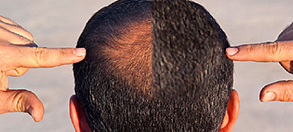
A hair transplant is a procedure that restores hair in the thinning and balding areas of the scalp, and it typically attains high success rates. However, overall success relies heavily on influential factors such as proper follicle integration and natural hairline design among others.
Regaining your hair is about more than just aesthetics – it is about restoring your confidence and feeling like yourself again. At the Houston Hair Transplant Center (HHTC), we understand that this journey is personal, which is why our dedicated team of specialists is committed to providing compassionate, individualized care. Under the leadership of Dr. Goran A. Jezic, is a Top Hair Transplant Doctor in Houston who has been performing advanced hair restoration procedures since 2013, our team ensures that every patient receives the personal attention necessary to achieve optimal results.
Ready to take the next step? Contact us online or call any of our offices in Texas at (713) 864-2300 to learn more about your hair restoration options.
- Sugarland
- Woodlands
- Austin
- San Antonio
Hair Transplant Success Rates
Modern hair transplants have high success rates, achieving an 85% to 95% graft survival rate if not higher. While graft survival can be affected by factors such as donor scalp issues, graft dehydration, and blunt trauma, (1) it is now easier than ever to avoid an unsuccessful hair transplant outcome, particularly if you comply with pre and post-op instructions on how to prepare for and care for your hair following a hair transplant procedure. Despite significant advancements in hair transplant technologies, the best outcomes come from an experienced surgeon who specializes in hair transplants. Dr. Jezic provides credible expertise, ensures appropriate donor hair quality, uses advanced FUE hair transplant techniques, and establishes a detailed pre-op and post-operative recovery regimen to optimize your results.
Key Factors That May Impact Results
Surgeon Expertise
Your hair transplant surgeon’s expertise, along with that of his team, matters a lot when harvesting and placing grafts during a hair transplant. Their technique is what will deliver a natural-looking result with the correct angle for follicle placement, hair density, and overall appearance. Surgeon expertise is the most critical factor in a hair transplant. A qualified, knowledgeable surgeon can maximize graft survival rates, minimize follicle damage, and avoid overharvesting the donor area. Without proper technique, the transplant risks high transection rates (cutting or damaging the hair follicle during extraction), poor extraction, and low retention.
Surgical Technique
Techniques such as Follicular Unit Extraction (FUE) and Follicular Unit Transplant (FUT) dictate tissue trauma and the precision of channel creation, also known as recipient-site making. The technique is highly important because it determines hair survival rates and the overall appearance of your transplant. (2) While both methods effectively restore hair, they differ in how we harvest the donor follicles. Dr. Jezic protects grafts from damage by placing hair at the correct natural angle and harvesting donor hair carefully to minimize visible scarring.
Donor Hair Quality
Specific qualities such as density, texture, and thickness of your donor hair matters, as the texture and appearance of your donor area limit the total potential coverage Dr. Jezic and his experienced clinical and tech team can achieve. Thick, high-density, and wavy hair can create a fuller look with fewer grafts, while thin, straight, or low-density hair provides less coverage and the need for more grafts, which can stress the donor site. (3) By the same token, an inexperienced hair transplant doctor and team can easily transect wavy or curly grafts, drastically reducing the survival rate. At Houston Hair Transplant Center (HHTC), we routinely perform hair transplants on African-American, Hispanic, Middle Eastern, and South Asian clients with curly/wavy hair with minimal transection rates. Additionally, a healthy, flexible scalp allows for safer graft removal and better long-term healing.
Graft Handling
The success of a hair transplant relies heavily on how grafts are handled, as precise and gentle manipulation keeps hair follicles viable to ensure thick and natural hair density. Minimizing the duration that follicles spend outside the body is essential to preserve tissue health and enhance graft survival. In contrast, a rough or slow extraction process can damage fragile roots, leading to low survival rates, patchy growth, and wasted donor hair that can no longer be successfully implanted.
Pre-op Care
It is crucial to follow pre-operative hair transplant instructions leading up to your hair transplant procedure as this could impact both the day of your procedure as well as the recovery, outcome and final result. Avoiding alcohol, smoking or vaping, getting plenty of rest, reviewing your medications, eating a light breakfast on the morning of the procedure, and adhering to other pre-op instructions is an important prerequisite to attaining success with a hair transplant.
Post-Operative Care
To prevent graft displacement and infection throughout your recovery, it is crucial to follow a rigorous post-operative routine immediately after your hair transplant. This care regimen incorporates specific rules for sleeping and washing your hair, as well as clear limitations on physical activity. Diligent aftercare allows fragile, new follicles to anchor firmly in place. On the other hand, inadequate management can result in displaced grafts, restricted blood circulation, intense swelling, or infection.
Patient Health and Biology
Certain underlying medical conditions, smoking habits, and scalp blood supply can affect transplant healing and growth rates. Your overall health, lifestyle habits, and unique biology can heavily dictate your hair transplant success. For example, if you have chronic illnesses, a weakened nutritional status, heavy smoking habits, or any underlying skin conditions, this may cause weak follicle survival and healing speed. Discuss your medical history and medications including any supplements, peptides or testosterone that you are currently taking with your hair transplant doctor.
Candidates
If you are currently struggling with thinning hair in the back or sides of your head, have adequate donor hair, are in general good health, and have realistic expectations for your results, you may be an ideal candidate for a hair transplant. While this procedure is open to all ages, we advise that you be at least in your 20s to predict future natural hair loss more easily. Ideally, you should also be a non-smoker or be willing to quit prior to your procedure.
Personal Consultation
During your personal consultation, Dr. Jezic and his clinicians will evaluate your medical history and discuss your hair loss and thinning patterns. They will also examine your scalp health and hair follicles using the Trichoscan hair and scalp analysis. This is a digital imaging system that allows for accurate measurements in hair density, growth patterns, and shedding progression. With this comprehensive in-office, non-invasive assessment, he and his team can help you detect your hair loss patterns, design an effective treatment plan, and map your progress over time. He will also address any questions or concerns you may have so you can feel informed and confident before undergoing your hair transformation.
Contact us online or call any of our office locations at (713) 864-2300 to request a personal consultation with Dr. Jezic.
- Sugarland
- Woodlands
- Austin
- San Antonio
Preparation For A Successful Hair Transplant
Effectively preparing for your hair transplant ensures that both your procedure and recovery go smoothly. Dr. Jezic advises you to:
- Review all of your medications, supplements, peptides, and hormones with your hair transplant physician.
- Refrain from alcohol, smoking, and using nicotine products a week prior to your hair transplant procedure.
- Allow your natural hair to grow as long as possible.
- Arrange a ride home from your procedure.
- Wash your hair thoroughly on the morning of your surgery.
Results
Regardless of the FUE hair transplant technique Dr. Jezic and his team uses, his hair transplants effectively restore hair growth and density. After your hair transplant, you will begin to see early shedding for two to eight weeks and early regrowth shortly after. By the third month, you will see new baby hairs sprouting. About 50% of the final hair growth forms after six months, but it can take up to a year to see full and final maturation. Additionally, our Mega Session FUE transfers up to 4,000 grafts in one session, whereas most clinics do 2,000 to 2,500 grafts. This allows us to significantly repopulate your scalp and renew your hair in one procedure.
To learn more about our exceptional results, we encourage you to read our reviews!
Corresponding Procedures
The aforementioned factors can influence results of all types of hair transplant procedures, including:
Body-to-Scalp Hair Transplant
Body-to-scalp hair transplants can increase scalp hair volume by using hair from other areas of the body, such as the chest, abdomen, and arms.
Beard Hair Transplant
A beard hair transplant is a hair restoration procedure for men that aims to enhance beard hair density, fill in patchy or sparse areas, and improve the overall appearance of facial hair. This procedure is ideal for those who are not able to grow a full beard or wish to achieve a fuller facial hair growth appearance.
No Shave FUE
No-shave FUE is a hair restoration technique that restores hair seamlessly through a more precise and less invasive approach. Hair follicles are carefully extracted using a specialized tool that makes a tiny circular incision around the follicles and then implanted into the areas of thinning or balding in the scalp.
Crown Hair Restoration
Crown hair restoration harvests and extracts healthy hair grafts from the back and sides of the scalp and transplants them to the crown area of the head to address thinning, balding, or shedding in the area.
Female Hair Transplant
A female hair transplant is ideal for women experiencing hair thinning or hair loss as a result of genetics, environmental causes, hormonal changes, or more. Hair restoration for women can be resolved through follicular unit extraction, neograft FUE, topical treatments, and injections for hair loss.
Cost of Hair Transplants in Houston, Sugarland, Woodlands, Austin, and San Antonio
The price of your hair transplant in Houston will vary depending on the severity of your hair loss patterns, your overall goals for your procedure, and the specific technique Dr. Jezic and his team will utilize. After examining your hair loss patterns and creating a personalized treatment plan, he will provide you with a detailed cost outline for your procedure. We also offer 0% interest, easy payment plans through multiple patient finance companies. Contact us online or call our office at (713) 864-2300 to schedule your personal consultation today!
FAQ
Are hair transplants always successful?
Most modern hair transplants are successful. On average, hair graft survival rates range between 85% and 95%, especially when an experienced specialist like Dr. Jezic performs the procedure with an experienced team. He will handle grafts with care to keep follicles alive, choose adequate donor hair, and provide a detailed post-operative guide to optimize healing and results.
What impacts the results of a hair transplant?
Factors such as surgeon expertise, donor hair quality, graft handling, surgical technique, post-operative care, and the overall health and biology of a patient can impact the success of a hair transplant.
Do hair transplants work on all types of hair?
Modern hair transplants offer hair transplant techniques for all types of hair including wavy and curly hair as well as straight hair. With a detailed analysis of follicle angle, hair texture and diameter, growth patterns, and more, Dr. Jezic can tailor a treatment plan to your unique case.
Who is an ideal candidate for a hair transplant?
The ideal candidate for a hair transplant is someone who has sufficient and healthy donor hair, has a stable pattern of hair loss and thinning, is in overall good health, and has realistic expectations as well as patience to see their final results. For those with limited donor hair, we can harvest hair from the chest, abdomen, arms, legs and other parts of the body including the arm pits if absolutely necessary as a last resort. This is referred to as a body–to-scalp hair transplant which requires a slightly larger team and longer to perform.
What increases the success of my hair transplant?
Effectively preparing for your procedure by reviewing your medications and supplements with the hair transplant doctor, ceasing smoking and nicotine products, allowing your hair to grow as long as possible, and avoiding alcohol consumption can all help to optimize hair transplant results.
How much does a hair transplant cost?
The price of your hair transplant varies depending on the complexity of your hair loss concerns, your overall treatment goals, the number of grafts necessary, the surgical techniques Dr. Jezic utilizes, and more. He will provide a detailed cost outline during your personal consultation. We also offer 0% easy payment plans via multiple patient finance companies.
References
- Kumaresan M, Subburathinam DM. Longevity of Hair Follicles after Follicular Unit Transplant Surgery. Journal of Cutaneous and Aesthetic Surgery. 2020;13(4):292. doi:10.4103/JCAS.JCAS_44_20
- Umar S. Body Hair Transplant by Follicular Unit Extraction: My Experience With 122 Patients. Aesthetic Surgery Journal. 2016;36(10):1101-1110. doi:10.1093/asj/sjw089
- Parsley WM, Perez-Meza D. Review of factors affecting the growth and survival of follicular grafts. Journal of cutaneous and aesthetic surgery. 2010;3(2):69-75. doi:10.4103/0974-2077.69014