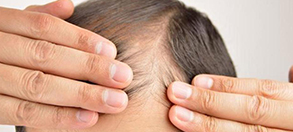
Hair loss is an issue that affects millions of men and women around the world. For many, thinning hair, bald patches, or a receding hairline can lead to reduced self-confidence and anxiety. (1) Traditional hair transplant surgery is an effective way to restore natural-looking hair. However, if you have limited donor hair on the back of your scalp, you might have been told that you are not a candidate for this procedure. Today, there are safe and effective ways to undergo a hair transplant, even if you do not have enough donor hair in this area.
At the Houston Hair Transplant Center (HHTC), Dr. Goran Jezic and his medical team are changing the narrative for patients with minimal donor hair. Through innovative techniques such as a body-to-scalp hair transplant and the strategic use of topical, oral, and medical therapies to enhance donor area density before surgery, the team at HHTC is making it possible for more people to experience the benefits of hair restoration, even if they were previously considered ineligible.
If you are looking to explore alternative hair transplant methods, contact HHTC online or call (713) 864-2300 to schedule a personal consultation.
About Hair Transplants with Limited Donor Hair
The hair on the back of the scalp (occipital scalp hair) is typically more resistant to dihydrotestosterone (DHT), the hormone that causes balding, which is why grafts are often taken from this area during a transplant. However, not every patient has an adequate supply of viable donor grafts in this area. Genetics, previous surgeries, or more advanced hair loss might have left you with too few available grafts to achieve natural-looking results through conventional methods. Fortunately, several methods have emerged that can help you undergo a hair transplant if you are experiencing this issue.
Our clinical team is proud to offer cutting-edge alternatives that can be tailored to your specific hair transplant needs, including body-to-scalp hair transplants and an array of nonsurgical therapies.
Body-to-Scalp Hair Transplants
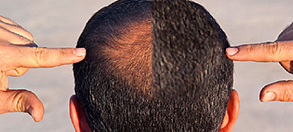
For patients with insufficient donor hair on the scalp, a body-to-scalp hair transplant may be one of the most effective options. This approach involves harvesting healthy hair grafts from other areas of the body, most commonly the beard, chest, abdominal area, arms, shoulders, or back, and transplanting them to thinning or balding regions of the scalp. (2) Our clinical team uses advanced follicular unit extraction (FUE)—also known as Follicular Unit Excision—and artistic placement strategies to blend these grafts seamlessly with existing hair.
Nonsurgical Therapies
Patients with limited donor hair can benefit from minimally invasive therapies designed to support scalp health and stimulate follicles. This approach may include:
- Topical treatments like Minoxidil (Rogaine)
- Low-level laser therapy (LLLT) with the wearable LaserCap
- Nutritional supplements like biotin and zinc
- Regenerative treatments such as autologous conditioned plasma (ACP)
- Topical compounds
These therapies can stimulate dormant follicles, reduce shedding, and increase follicular diameter, making more grafts viable for a hair transplant. By strengthening the donor area before a hair transplant, there may be more high-quality grafts to choose from.
Personalized Combination of Treatments
Hair restoration is not a one-size-fits-all procedure, especially for patients with limited donor hair. Our clinical team develops personalized treatment plans for each patient. Plans often incorporate a combination of therapies and techniques to achieve the best possible results. For example, a plan might begin with donor area stimulation using ACP or topical medications, followed by body-to-scalp FUE to restore hair growth in high-priority zones such as the hairline or crown. Every aspect of your plan, from the graft selection to your postoperative instructions, will be meticulously customized for your goals, hair type, loss pattern, and graft availability.
This procedure also provides anesthesia options ranging including local, sedation, twilight, and others that involve staffing the procedure with a nurse anesthetist or anesthesiologist.
Benefits
HHTC’s hair transplant options and corresponding treatments can offer you the following benefits:
- The ability to undergo a transplant even with limited scalp donor hair.
- Nonsurgical treatments that revitalize the donor area, increasing the number of usable grafts and overall hair quality.
- Custom-tailored plans that meet your unique needs.
- Advanced techniques that minimize scarring.
Candidates
Our clinical team encourages anyone struggling with hair loss to explore their options with HHTC. You may be a suitable candidate if you:
- Have insufficient scalp donor hair for a traditional hair transplant.
- Suffer from general hair loss, androgenetic alopecia, or diffuse thinning.
- Have scarring or prior surgical overharvesting in the traditional donor hair zone.
- Are willing to consider beard, chest, or other body hair as alternative donor areas.
- Are interested in pre-transplant therapies to rejuvenate your donor hair area and enhance outcomes.
- Are in good overall health and have realistic expectations for your results.
Your HHTC specialist will perform a detailed evaluation during your personal consultation to determine your eligibility for our various treatment options.
Personal Consultation
Each patient begins their journey at HHTC with a complimentary one-on-one consultation. During this visit, your specialist will review your hair loss history, examine the quality and availability of donor hair on the scalp and body, and discuss your hair growth goals.
To explore your hair transplant options, schedule a complimentary personal consultation by contacting HHTC online or calling (713) 864-2300.
Preparation
Hair transplants for those with limited donor hair require thoughtful planning and thorough preparation. These procedures are highly individualized, and as such, the preparation process will look different for every patient. Your specialist may advise you to begin a personalized hair care regimen to ensure optimal results. In general, smoking should be stopped for several days or weeks to optimize blood flow to the scalp and donor grafts. We also recommend that you stop drinking 24-72 hours before your procedure.
Blood-thinning medications or supplements may need to be paused for a few days prior to the procedure, upon approval by your doctor. You should try to get a good night’s sleep the night before your procedure and eat a light breakfast the morning of the procedure.
Aside from these general preparatory guidelines, you will be given a personalized set of preoperative instructions that caters to your medical history and procedure plan.
Body-to-Scalp Hair Transplant Procedure
Your specialist will begin your procedure by numbing the donor area with local anesthesia to ensure a comfortable experience. Your specialist will use the FUE technique to harvest hair from the chest, beard, or other predetermined areas with sufficient hair. This method involves removing hair grafts with a tiny circular punch, allowing for discreet, nonlinear scars. Once the grafts are harvested, they are meticulously prepared under a microscope and sorted for placement. Your specialist will blend the grafts seamlessly with your existing hair and design a natural-looking hairline based on your facial structure and goals. Using a precision implanter device, they will place each graft at the optimal angle and position to mimic natural growth patterns.
Recovery and Results
Recovering from a hair transplant will look different for each patient. You will likely be able to return to normal, non-strenuous activities within a few days. Our clinical team will provide you with aftercare instructions to reduce swelling, prevent irritation, and protect the grafts during the initial healing period. We will be available throughout the recovery period to monitor healing and address any concerns. Patients can expect to notice gradual results over time, as new hair growth is a slow and steady process.
Cost of Body-to-Scalp Hair Transplants in Houston, Texas
Because all hair transplants are entirely customized to the patient and their unique goals, the cost of each procedure is subject to vary. After assessing your goals and options, we will provide you with a detailed cost estimate.
Schedule your consultation today to explore your transplant options. If you have any questions or would prefer to schedule over the phone, please call our Houston office at (713) 864-2300.
FAQ
Can I still get a hair transplant if I have very little donor hair?
Yes! HHTC offers body-to-scalp hair transplants and pre-/post-non-surgical therapies that make hair transplants possible even for patients with advanced hair loss or limited scalp donor hair.
What body areas can be used for donor hair during a hair transplant?
Common donor areas for body-to-scalp hair transplants include the beard, chest, and back. These areas often have dense, healthy grafts suitable for a hair transplant. Hair can also be harvested from the arms, abdominal area, and legs. However, the quality of such hair does not compare with hair from the back of the head.
Will body hair look natural on my scalp?
When placed strategically by a hair restoration specialist, body hair can blend in seamlessly with existing hair on the scalp. Specialists take an artistic approach and make sure to place hair grafts in the most natural locations and at the optimal angles. After the transplanted hairs begin to grow, you can cut and style your hair as normal.
How long do hair transplant results last?
Transplanted hair, including body hair, is considered to be generally permanent. Continued use of supportive therapies may help preserve both existing and transplanted hair.
References
- Dakkak M, Forde KM, Lanney H. Hair Loss: Diagnosis and Treatment. American family physician. 2024;110(3):243-250. https://pubmed.ncbi.nlm.nih.gov/39283847/
- Savant S, Saxena K. Body to scalp: Evolving trends in body hair transplantation. Indian Dermatology Online Journal. 2017;8(3):167. doi:https://doi.org/10.4103/idoj.idoj_283_16